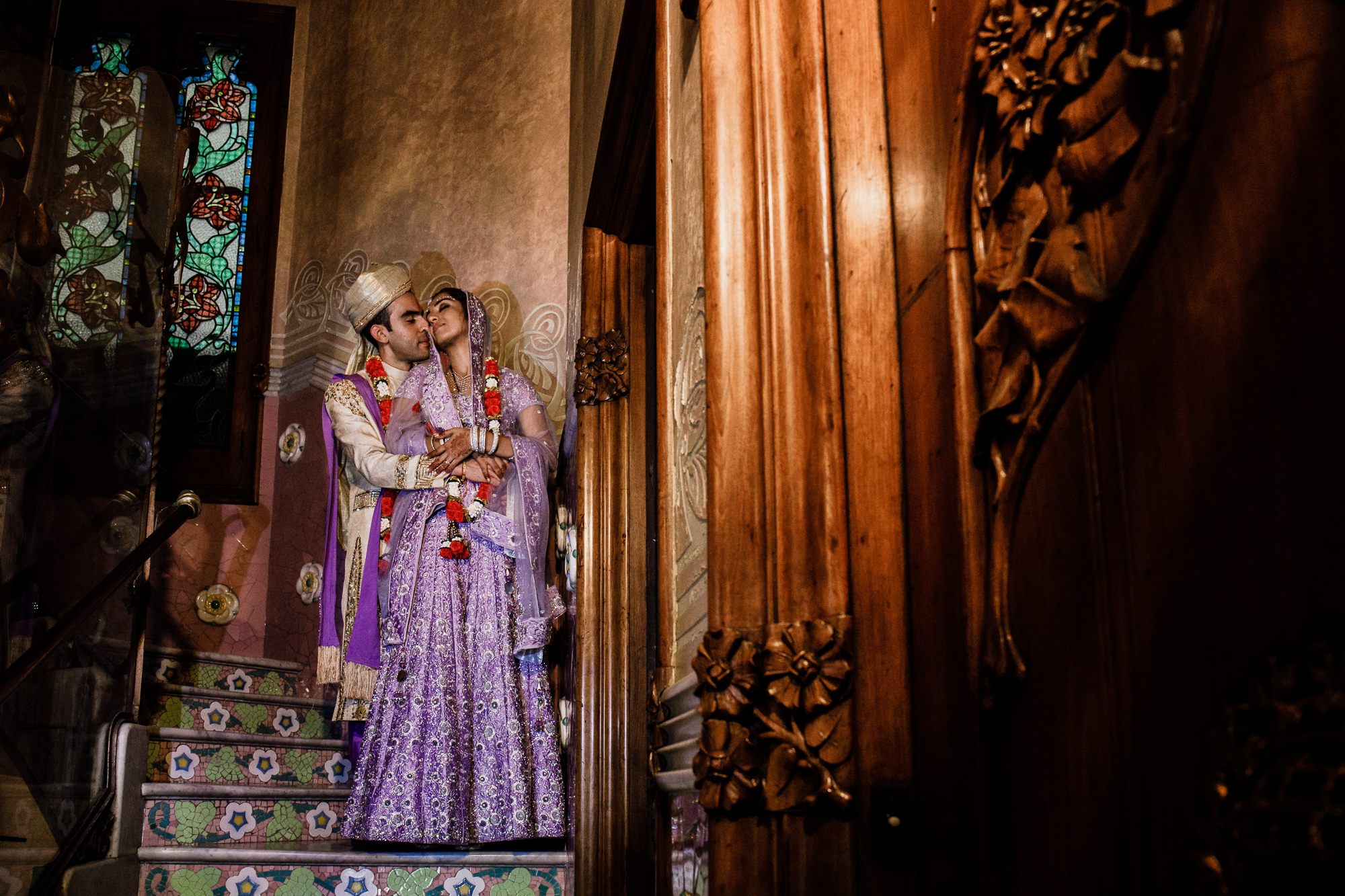
Raksha & Mohit
The origin story of our Indian weddings
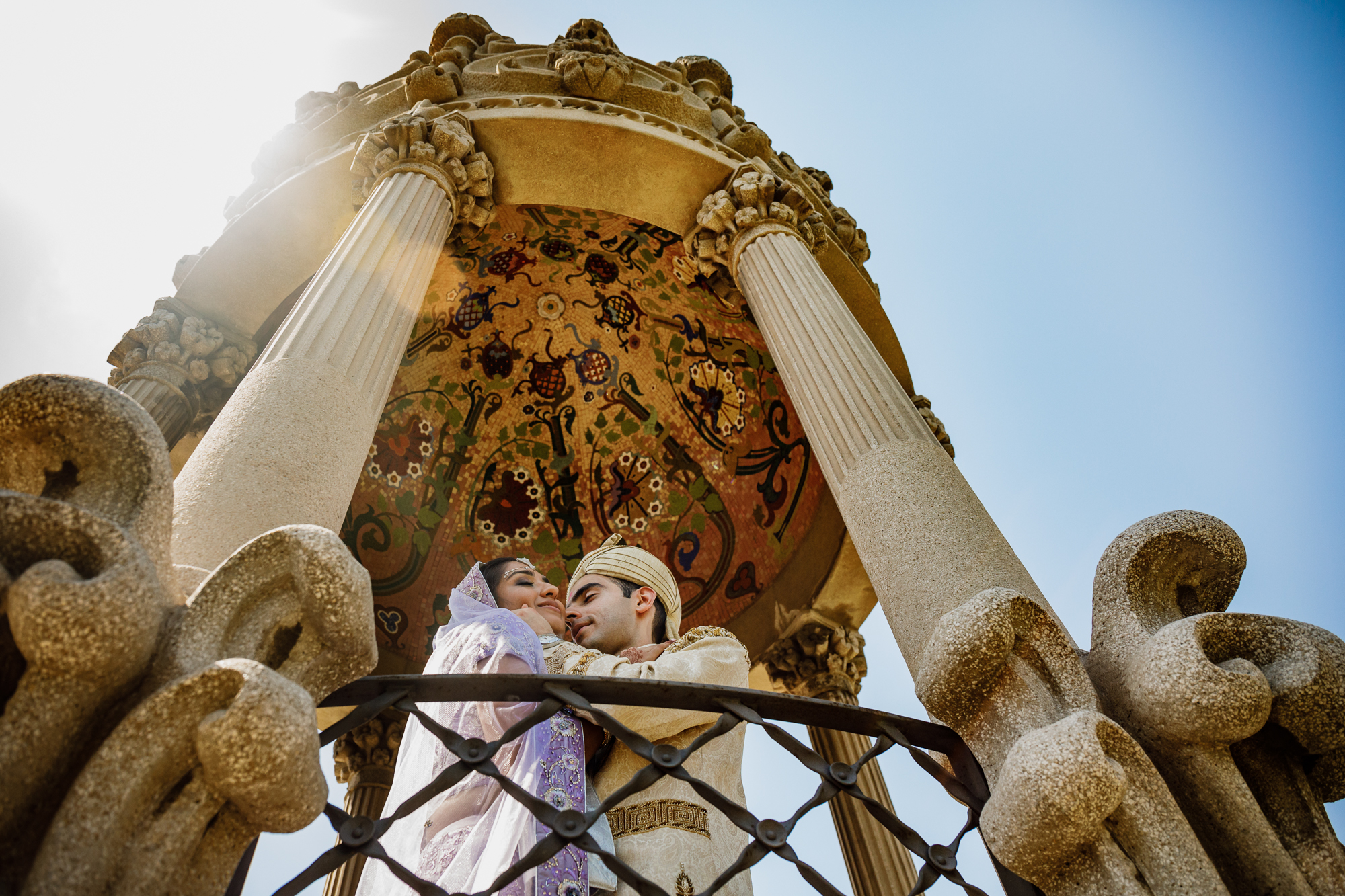
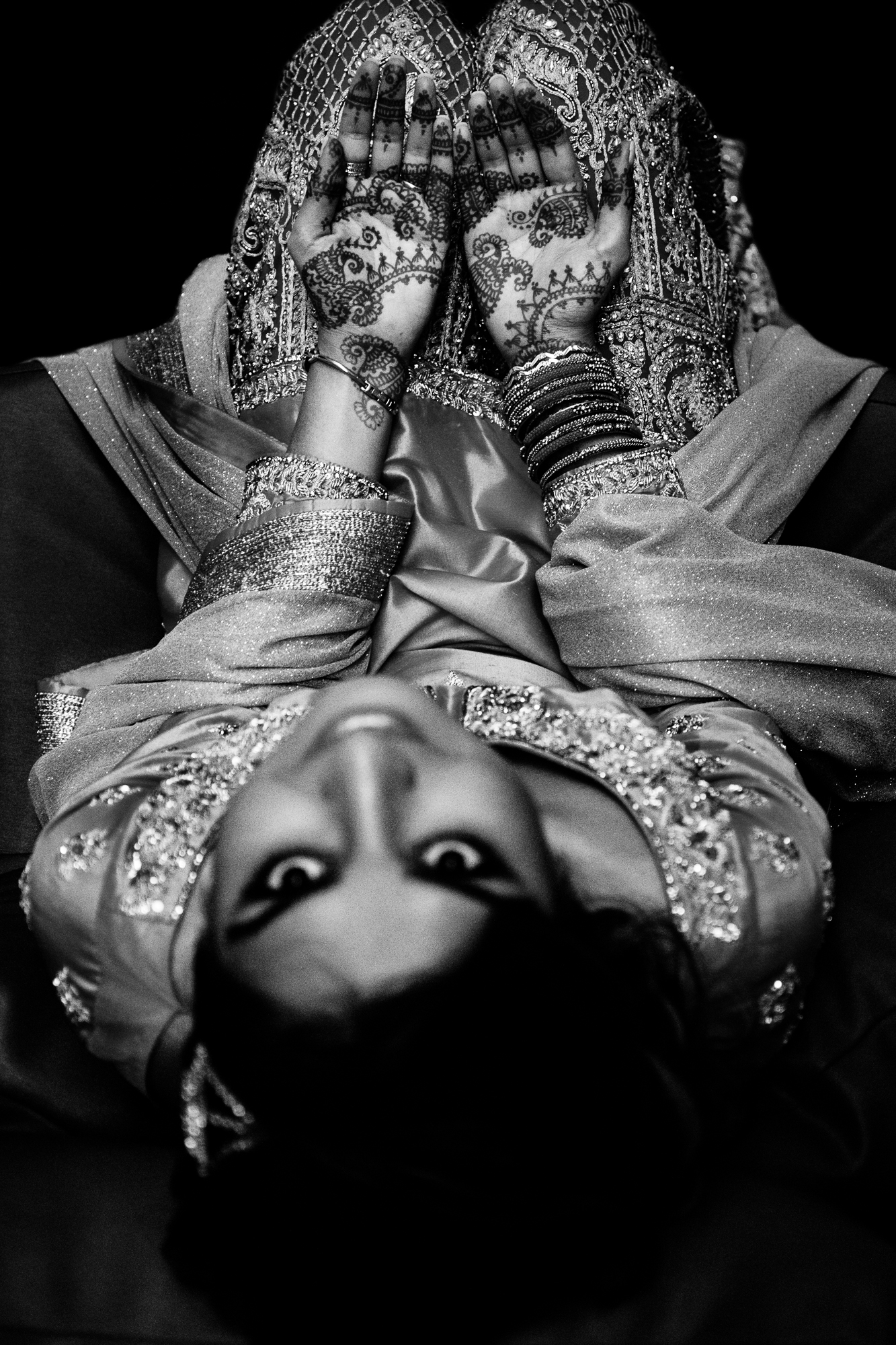
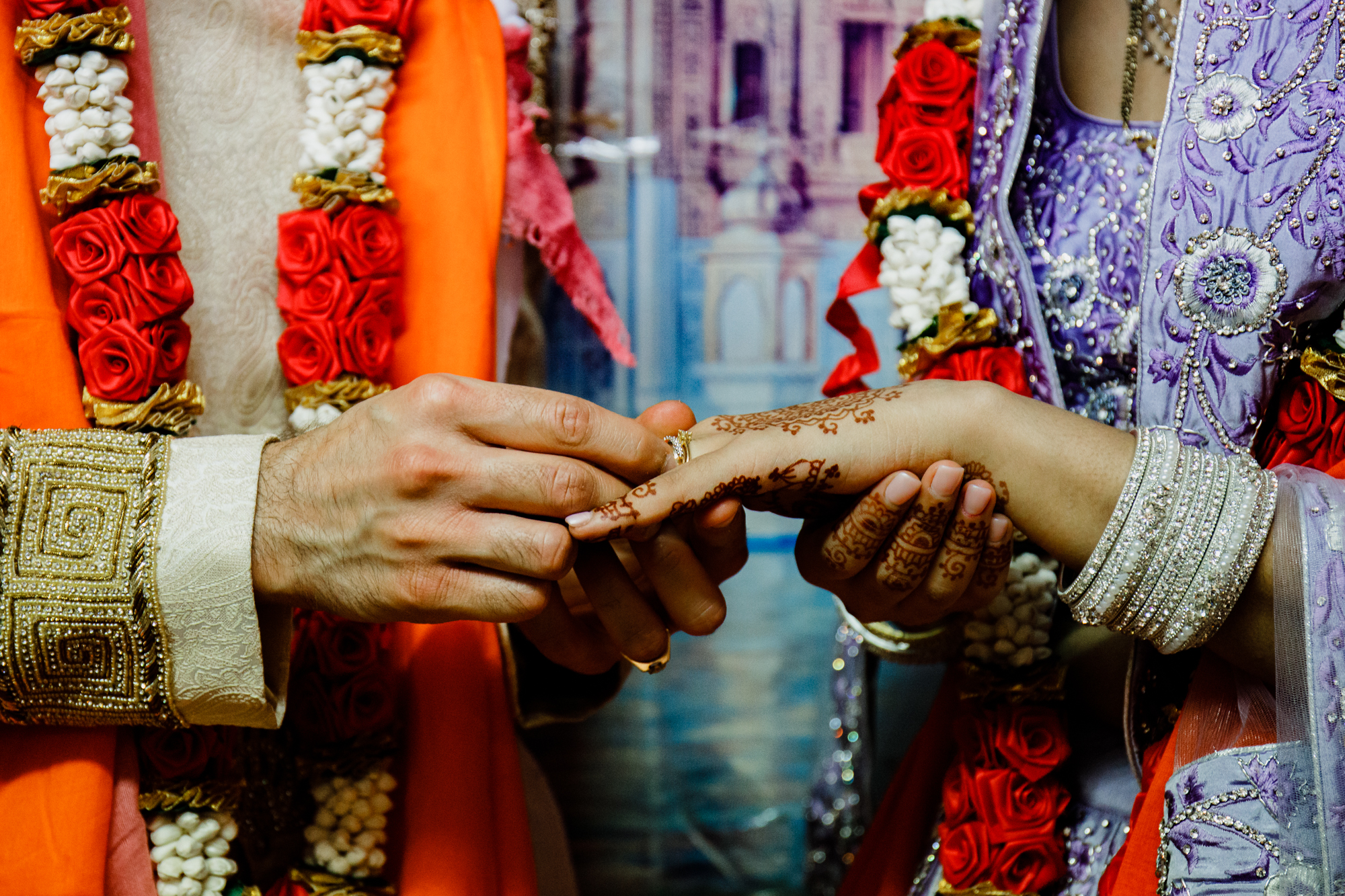
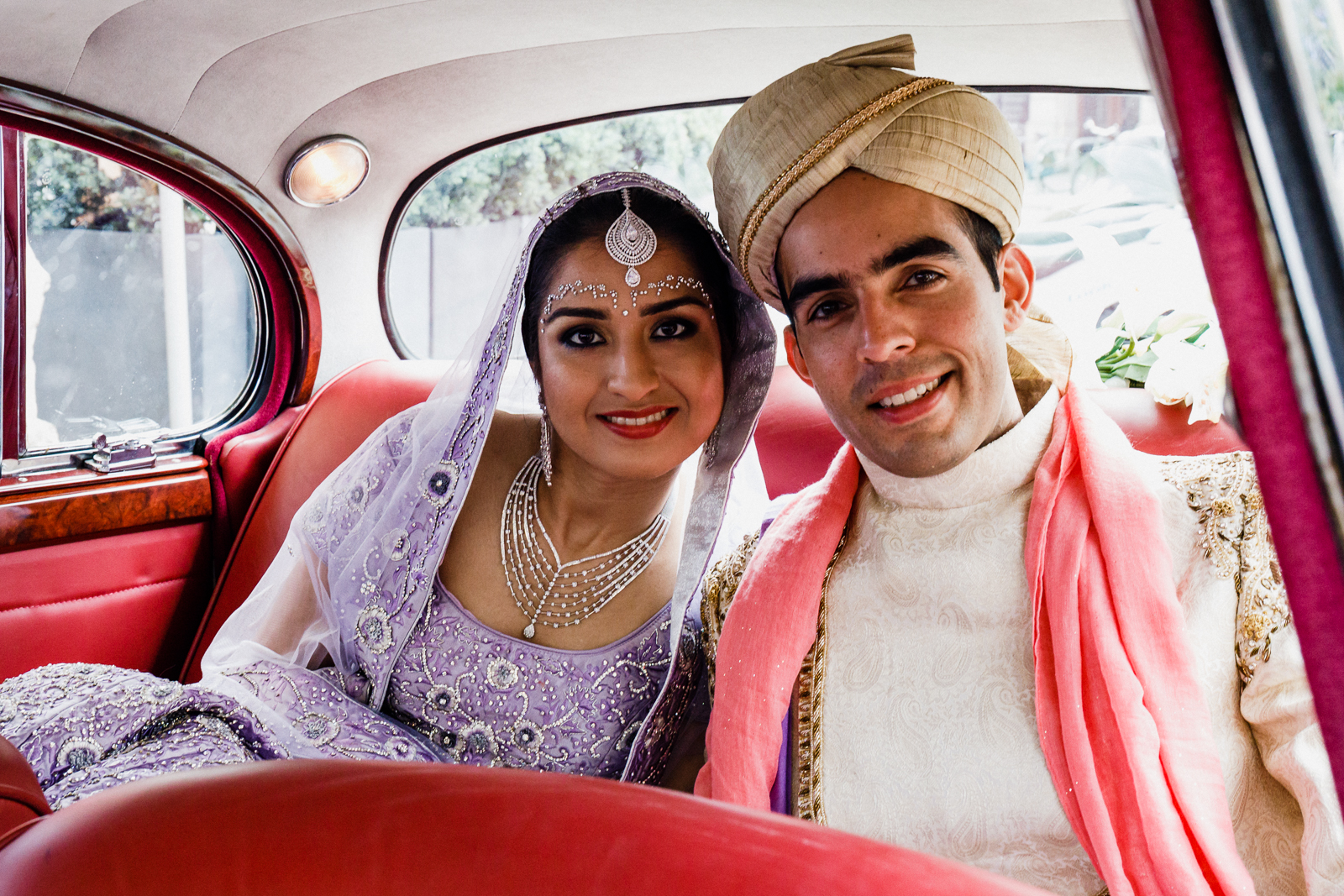
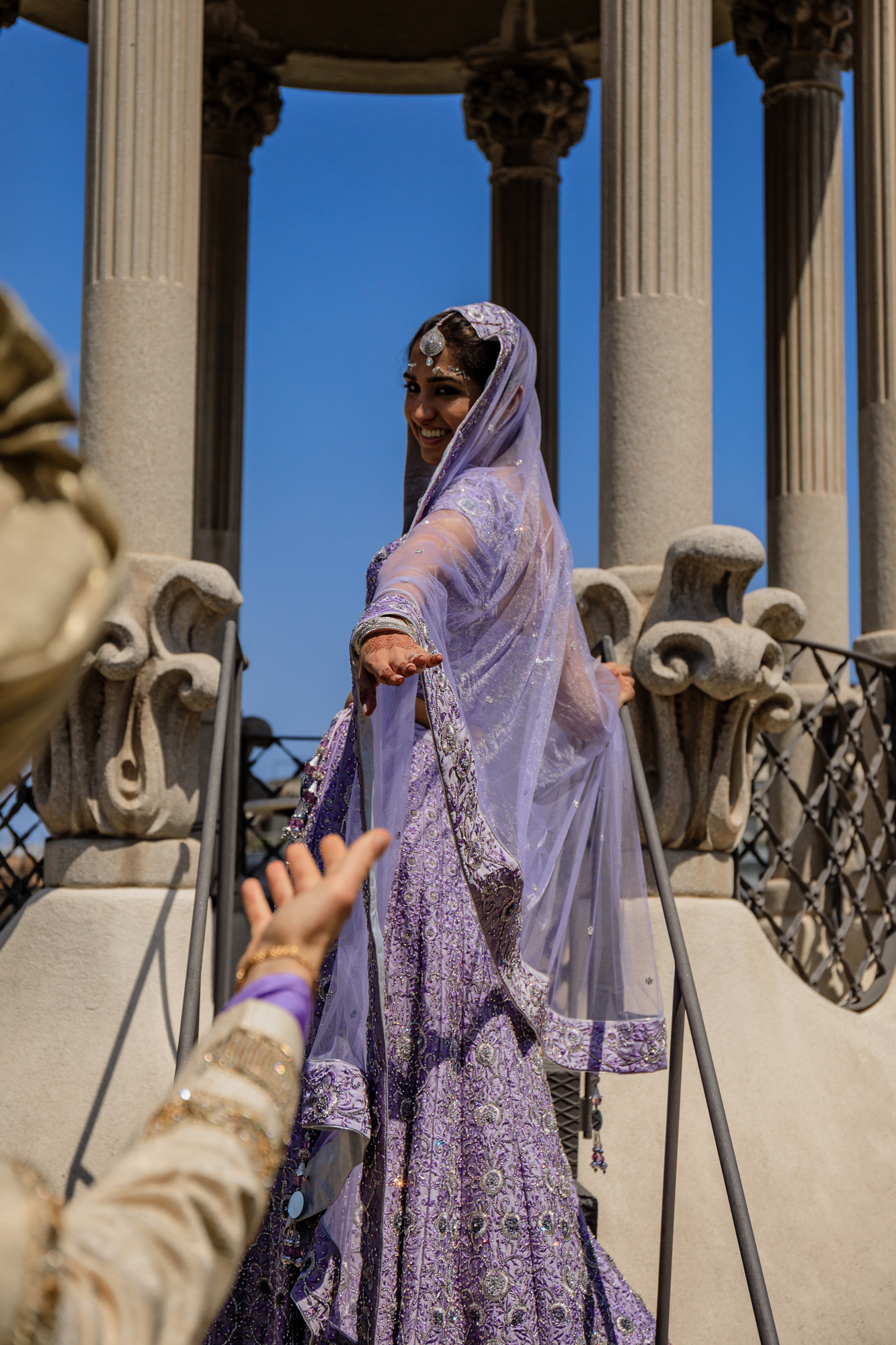
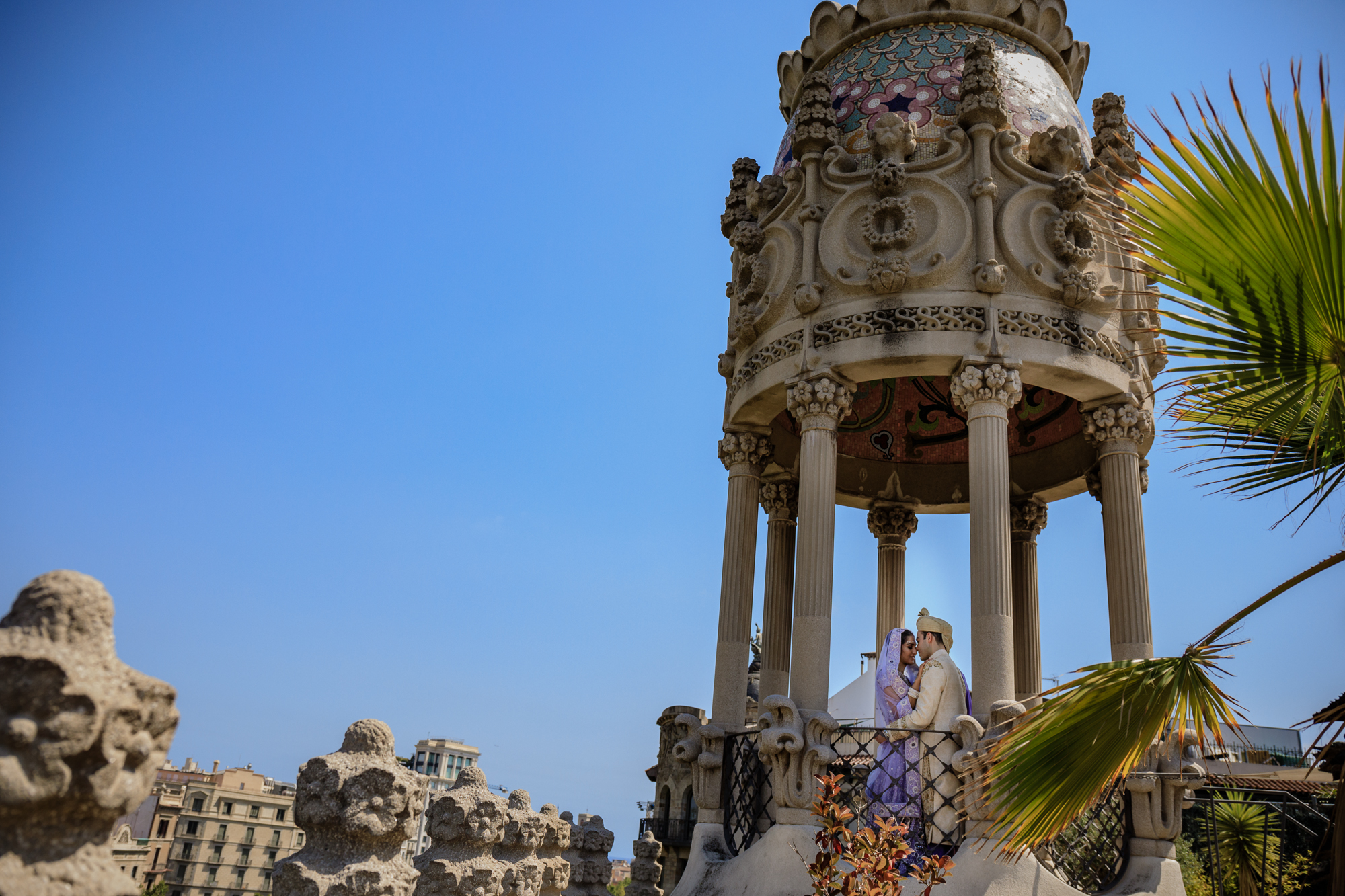
In 2017, Raksha & Mohit’s was our first Indian wedding — and remains the most traditional we have planned. Five days in Barcelona, with Indian vegetarian food from the first meal to the last.
Raksha and her family were so kind and generous with us. They took the time to teach us what they needed and what everything meant. I will always remember her mum’s concern that any leftover food went to charity.
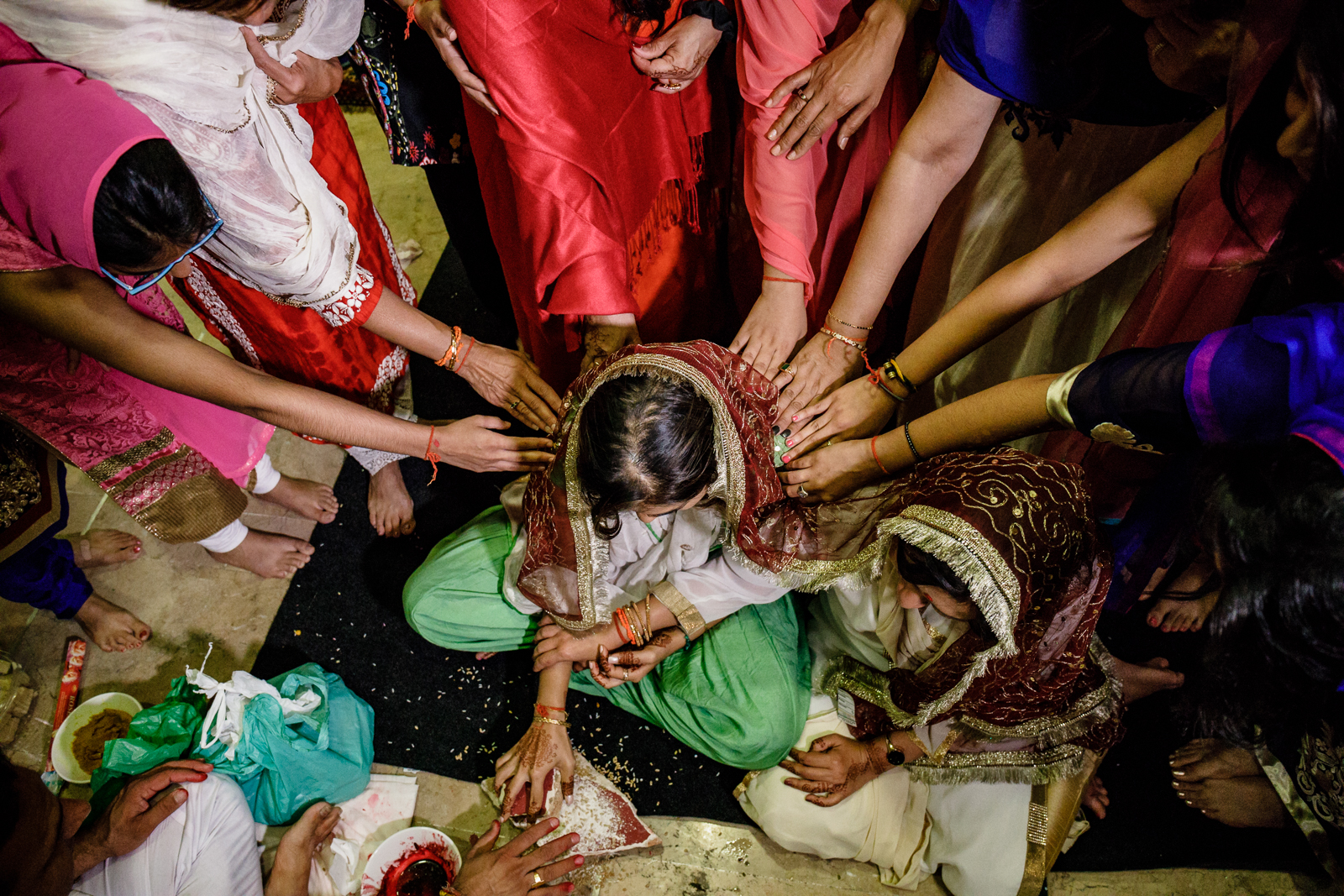
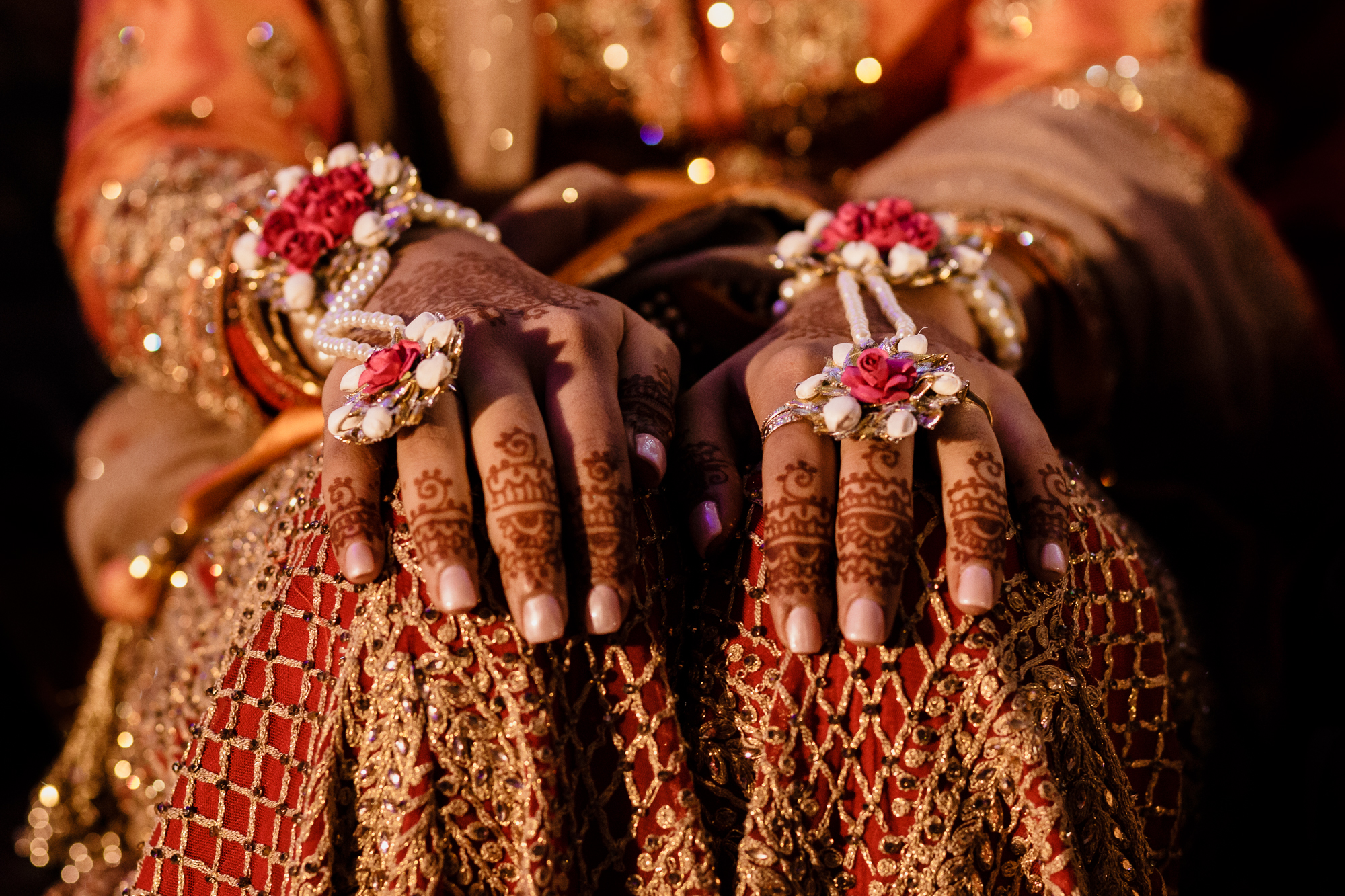
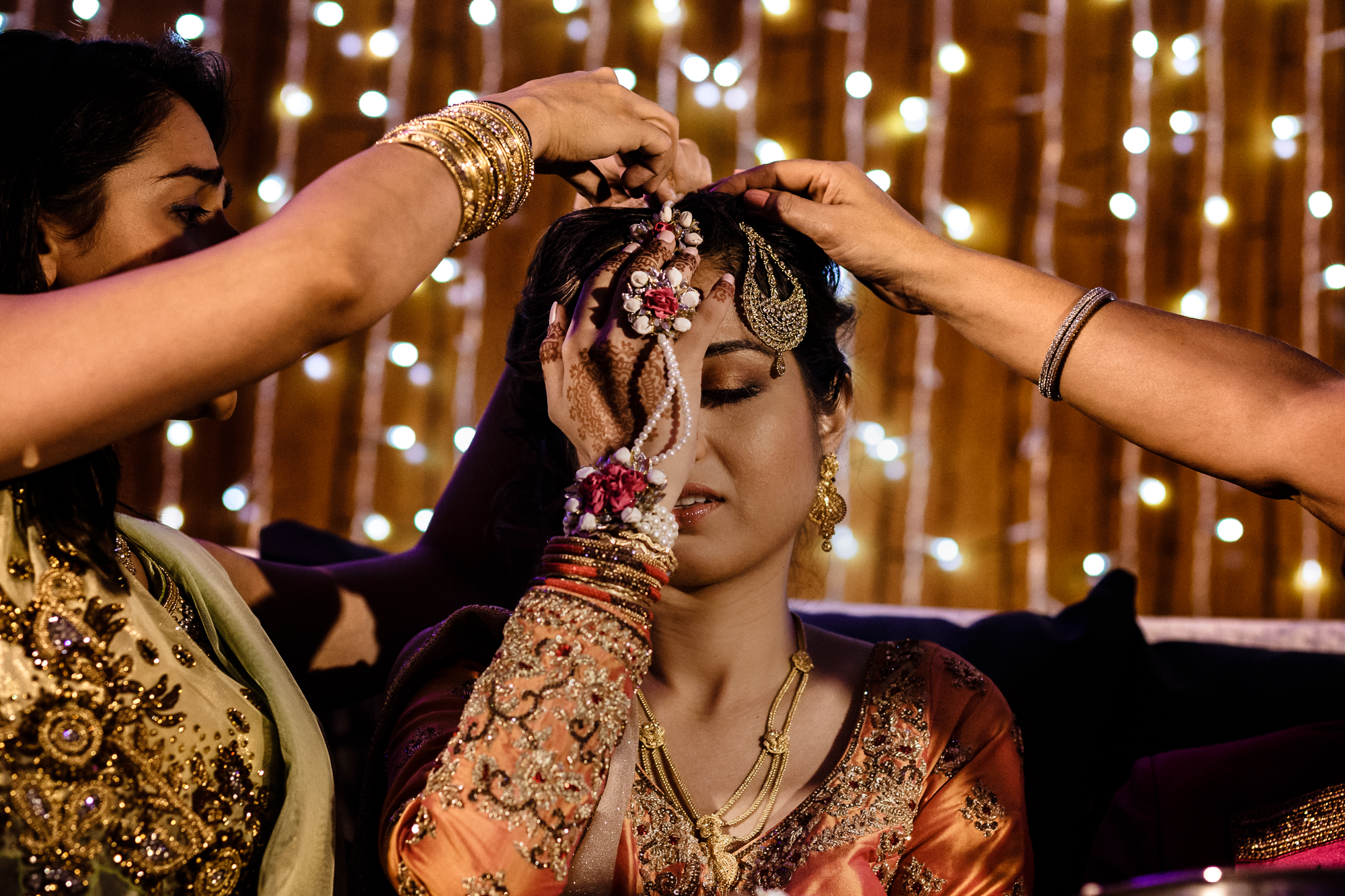
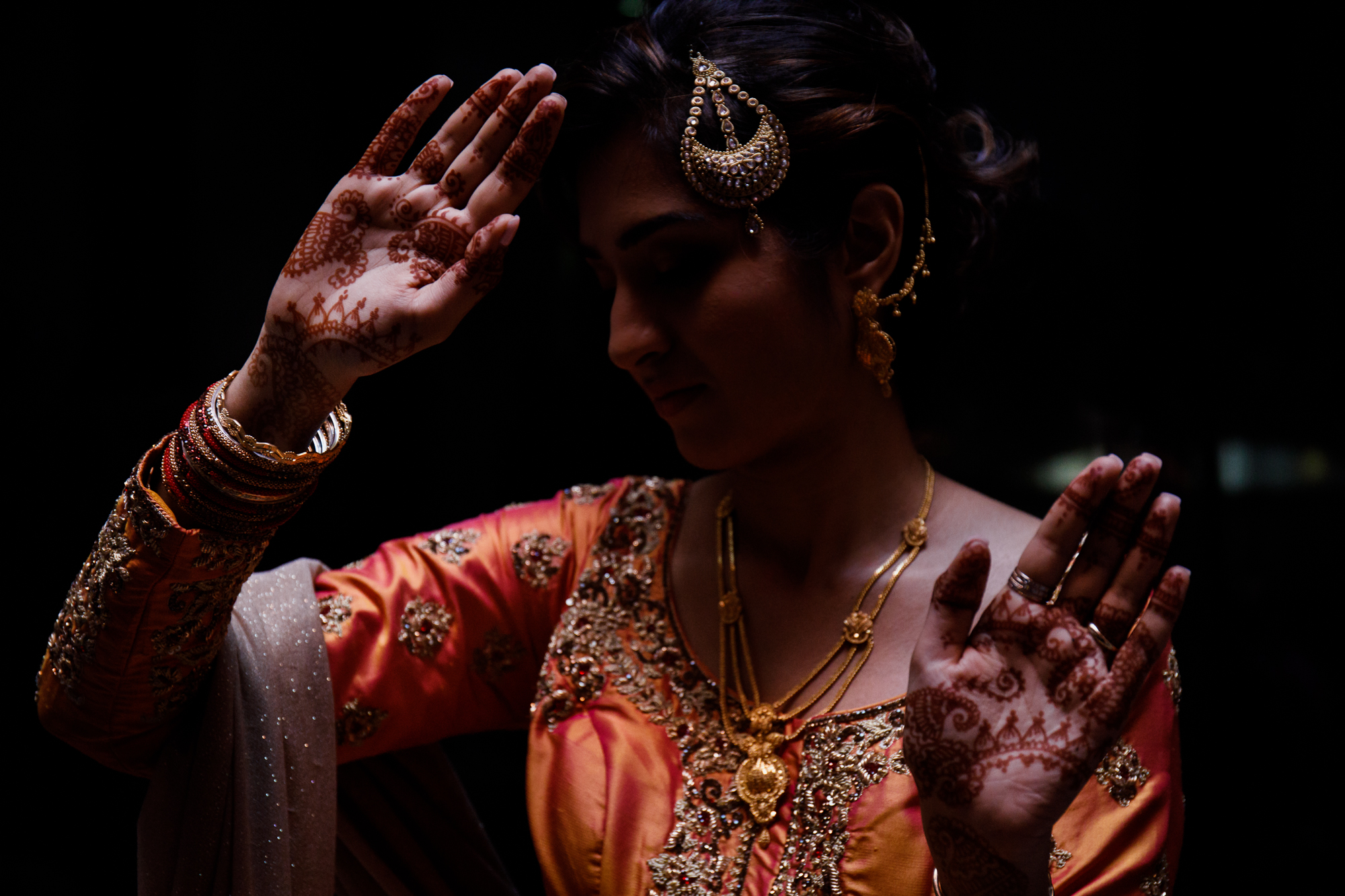
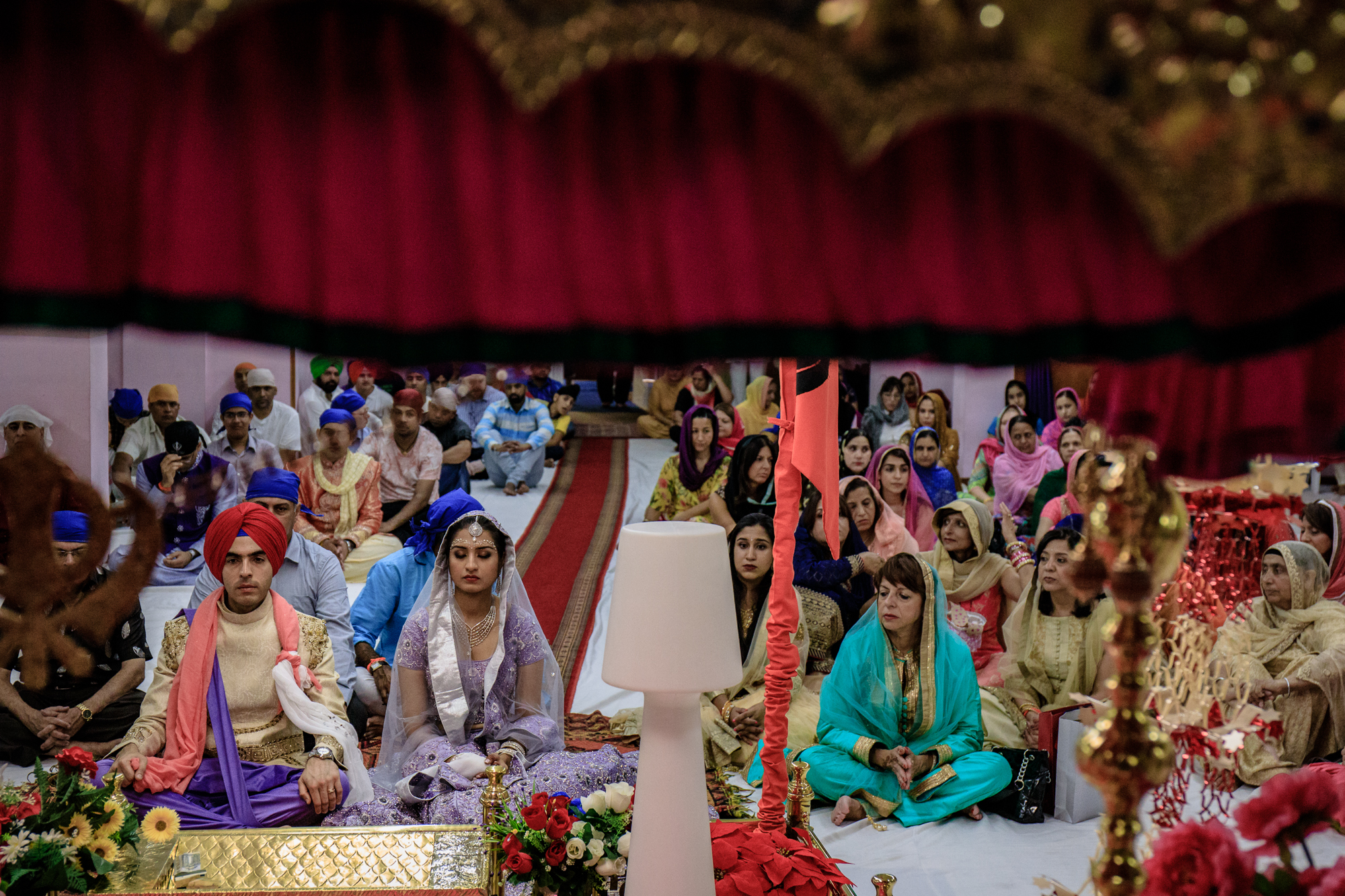
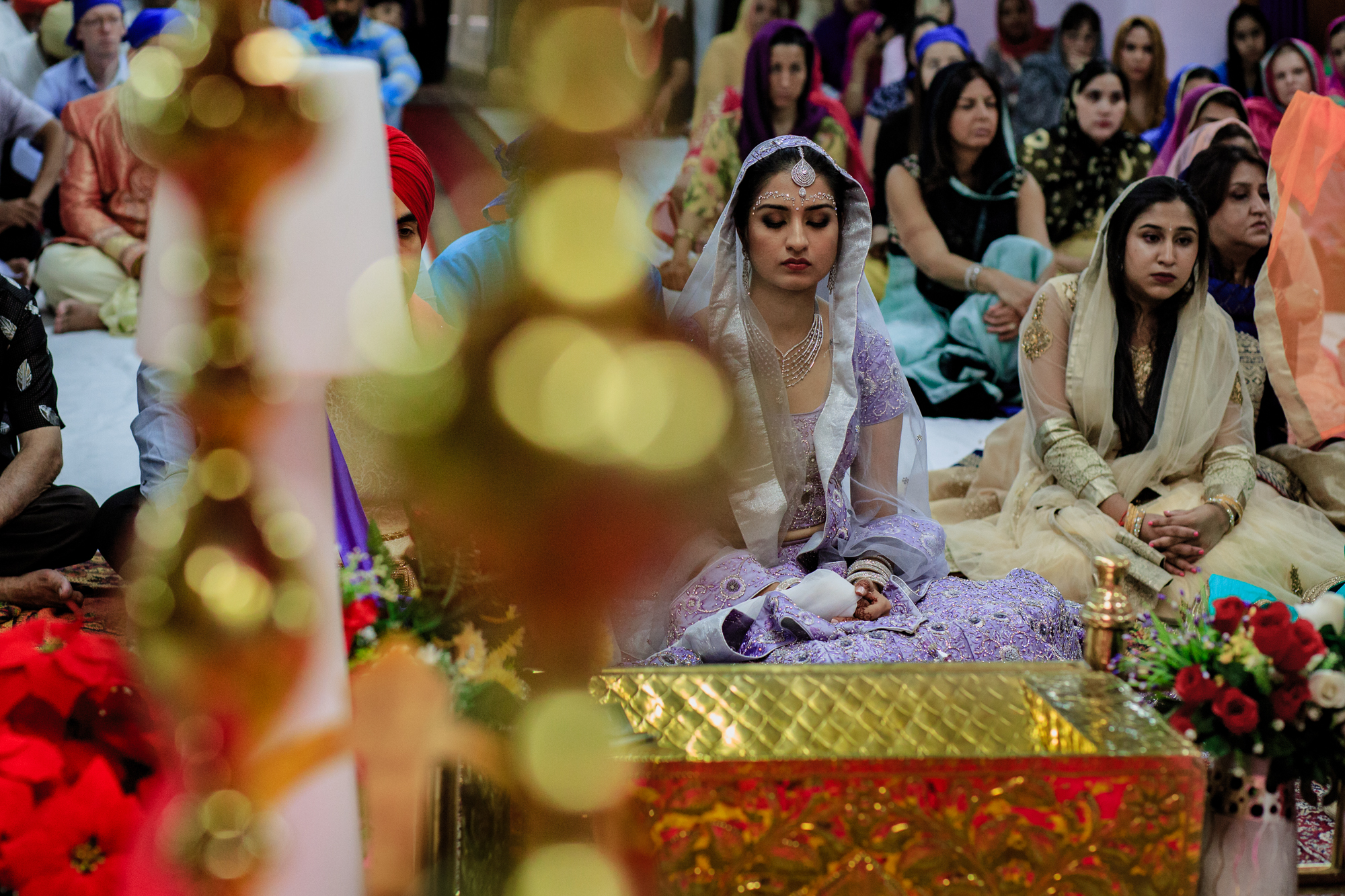
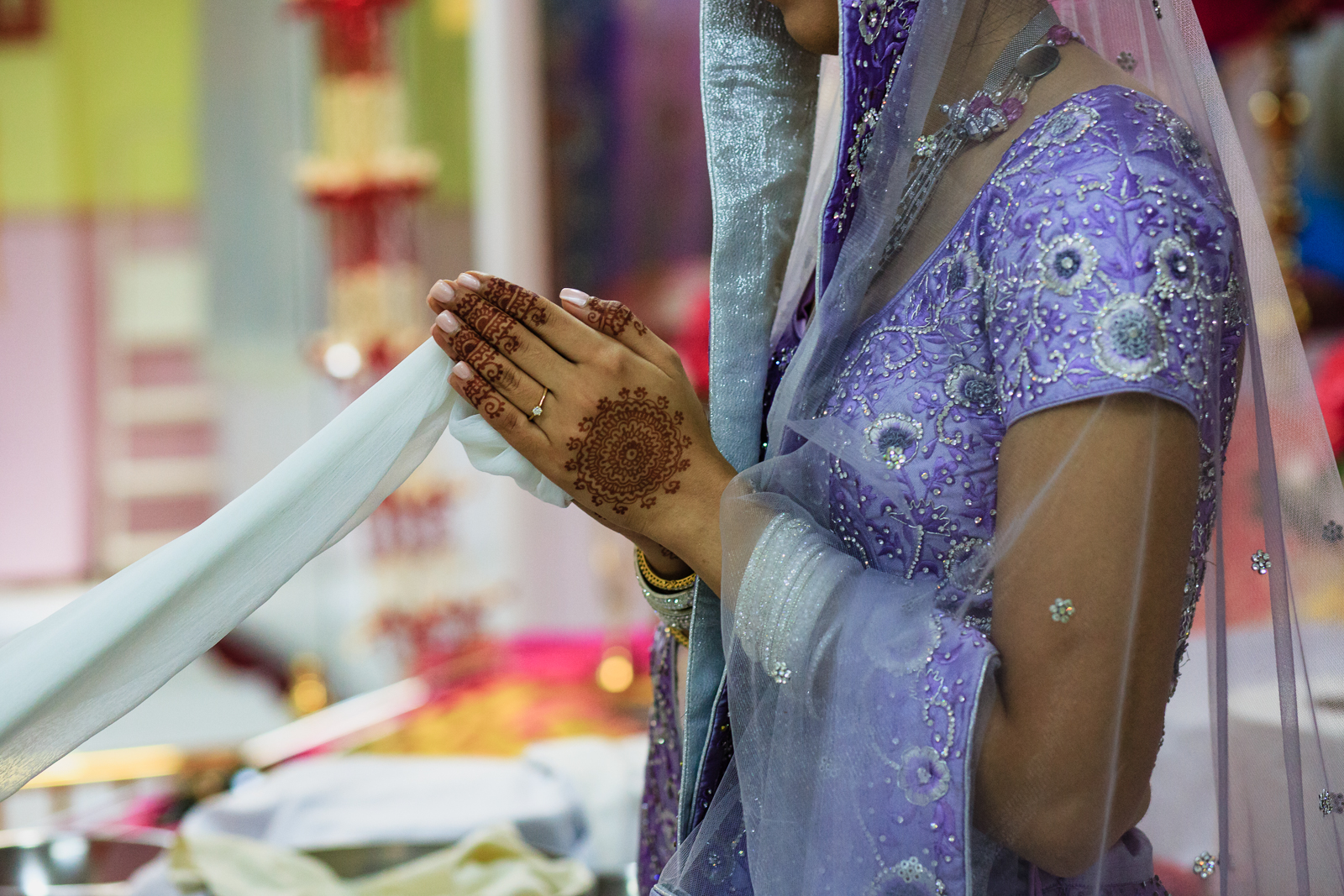
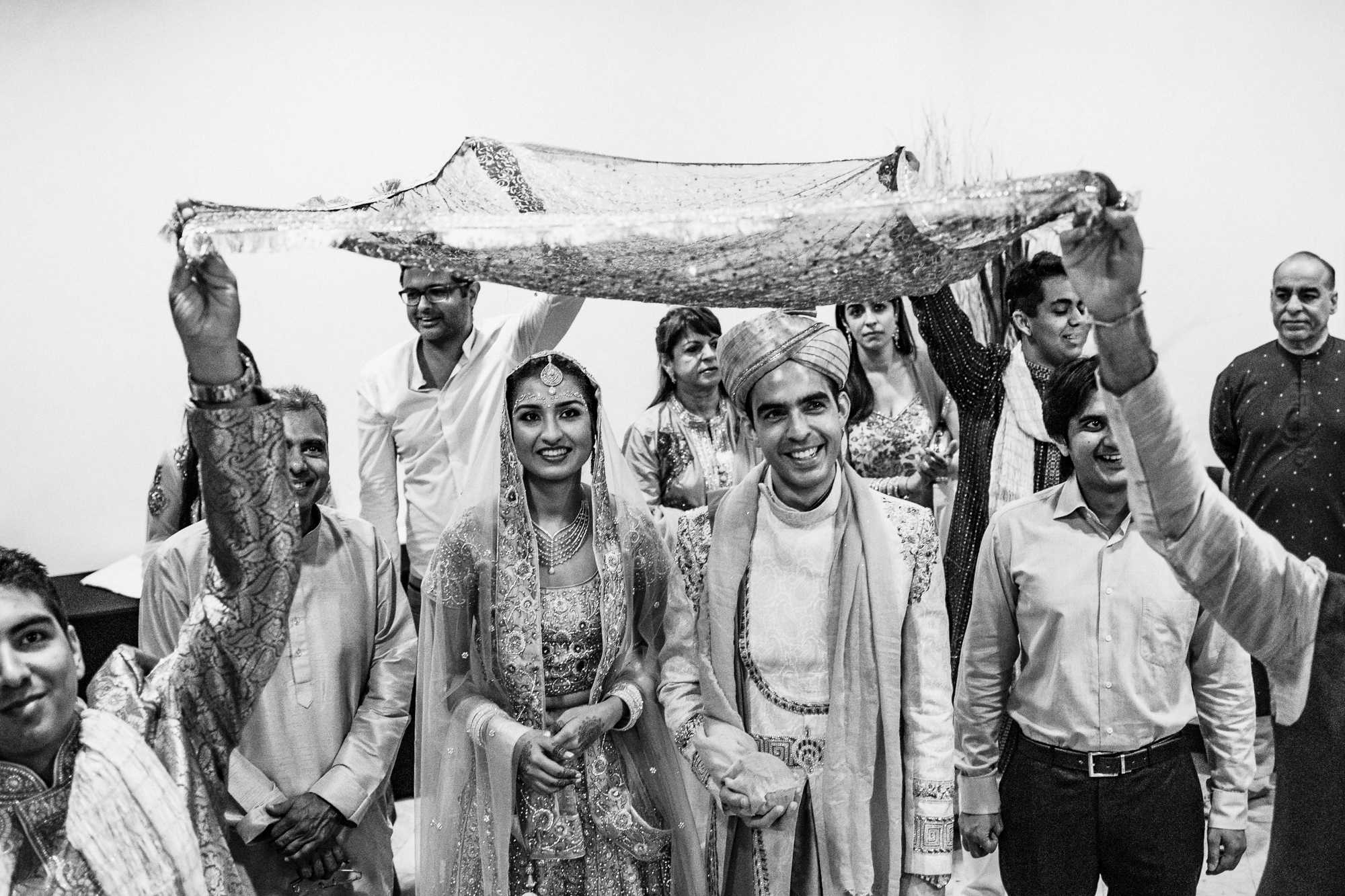
The mehndi, the sangeet, the haldi. They chose not to have a baraat. Then the Anand Karaj — the Sikh ceremony in the gurdwara, led by the granthi, the couple seated before the Guru Granth Sahib, Raksha holding the palla, a dupatta held over them by family.
After the haldi, it was tradition in Raksha’s family that they weren’t meant to see each other until the Anand Karaj — and they wanted to. So they asked us secretly, and we arranged it secretly with the hotel. We snuck them down in the staff lifts secretly, and they met outside the kitchen secretly. It was so sweet, our little secret.
This wedding was Sikh — no mandap, no pandit, no sacred fire. The Hindu, South Asian and fusion weddings we’ve planned since have brought all three.
One thing that sticks in my mind about the vidaai is how some were almost asleep.
Five days teaches you what three days never could. What was gifted by Raksha and her family became the foundation for every Indian wedding we’ve done since.
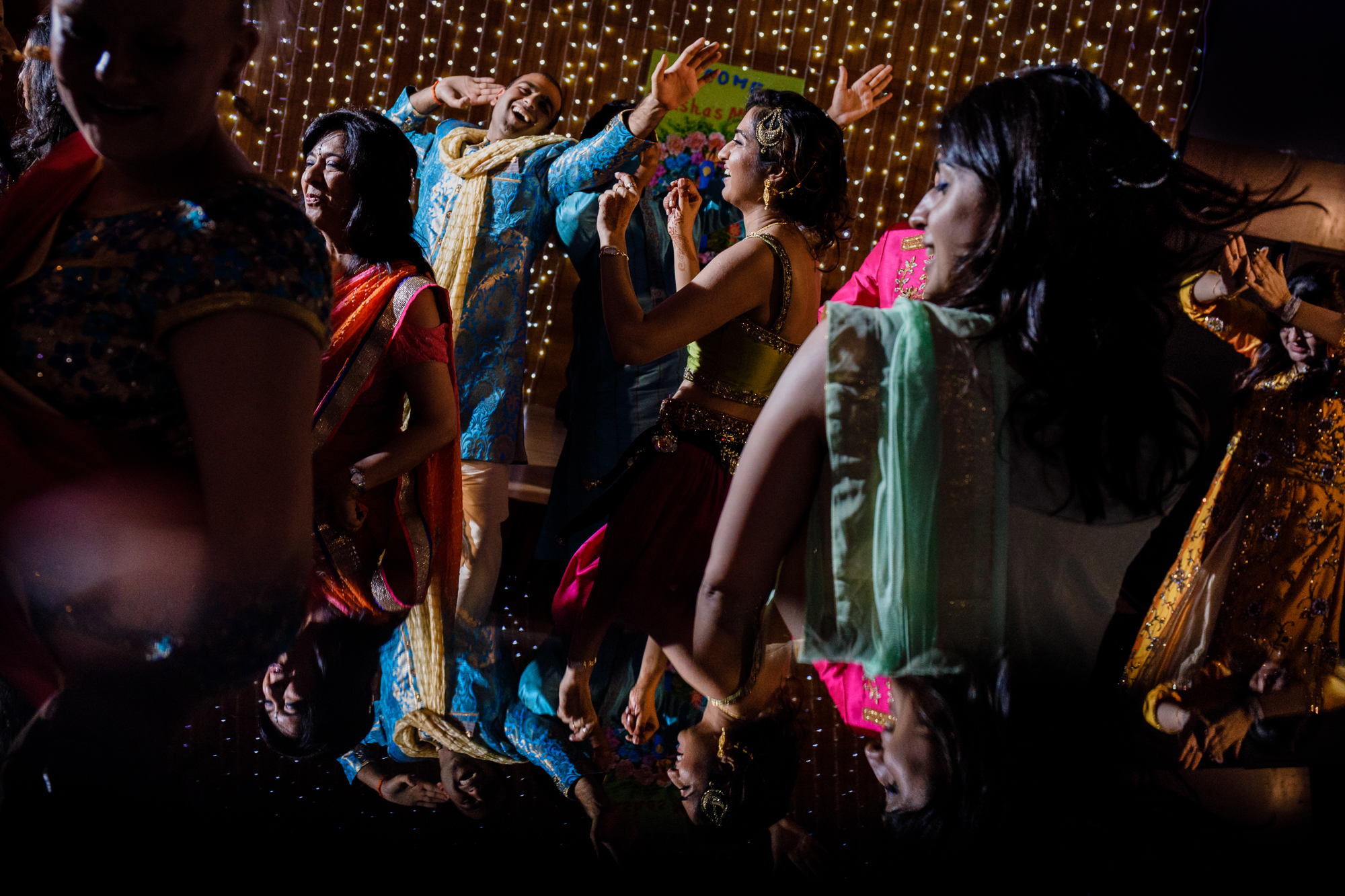
And along the way, all that colour, all that energy, all that food had a profound effect on us. When our time came to get married, a sangeet was the only way to go — see for yourself.